Posted on

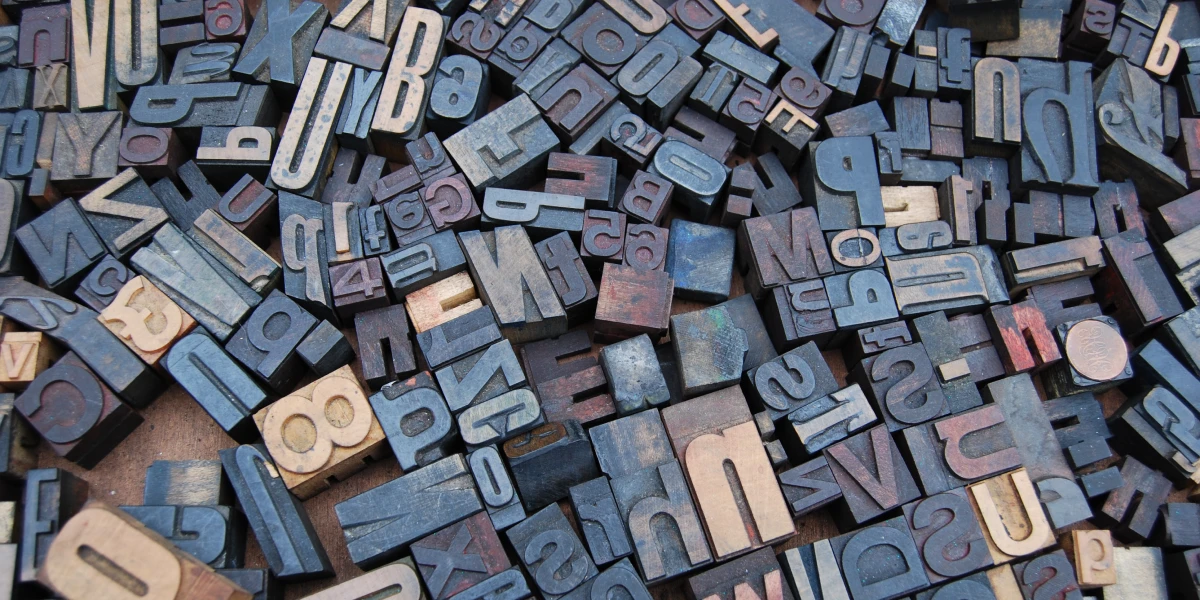
Funny words in English

Funny words in English

Learning English can sometimes be exhausting and difficult because it is not your native language. Learning sometimes becomes easier when you focus on humor. But is learning English actually funny? In other words, does English possess many funny words? Let's take a closer look at the funny side of this world language.

English vernacular

A language is alive and constantly changing. For example, the influence of English on the Dutch language has increased tremendously recently. It is funny to see how we have started to "Dutchize" English words with the greatest of ease. Everyone nowadays talks about logging in and out, checking in and out, downloading, deleting, browsing, kicking off, timing, babysitting, funshopping or fitness.

It's also funny that a few centuries ago we did this mostly with French words, and English in the past actually borrowed many words from Latin. This happened during the period when the Romans were in the British Isles. Language (language), for example, comes from Lingua. School from schola, antigue (antique or old) from antigua, fame (fame) from fama and the verb to have from habere.

Researching the funniest words

How funny and humorous are English words really? At the University of Warwick, they did research on it. They had a representative group of 800 people rate a long list of words. The study found that the word "booty" was seen as the most funny. Although this word officially means booty or a prize, it is mainly used in American English to refer to someone's behind.

Other funny words on the list focus on persons, such as nitwit and booby. Both indicate a stupid or foolish person. A nincompoop is also not too smart. An egghead, on the other hand, is used for someone who is highly educated.

Strange-sounding words

Strange-sounding words whose meanings are not immediately obvious are usually funny, too. For example, how about bumbershoot instead of umbrella, an umbrella? You better not be called a lollygag either, because then you're a nothing. A meldrop on your nose is no fun either. Some mucus or snot drips out of your nostrils. Do you suffer from collywobbles? Then you have pain in your belly or stomach.

Blubber and Earth Apple

Did you know that the English word blubber is used to refer to a layer of fat on your belly? Now we ourselves use the term blubber belly. But many other Dutch words are not known in English. They become very funny when you start translating them literally.

A mother-in-law is then suddenly a clean mother instead of a mother-in-law and a glove is a hand shoe. While the English word is really glove. Also an earth apple (potato) is not the best description of a potato. And if you are blowing out by the sea, you are wrong when you call it 'blowing out'. It means to blow out. And there are many more words like that!

Speaking Dutchlish

So speaking English is a bit different from giving your own language an English sound or translating words literally. Yet Dutch has not gone completely unnoticed either, and you can speak a nice word of dutchlish in English.

After all, a cookie comes from koekie, candy from kandy and brandy from brandy. Dollar comes from daalder, Santa Claus from Sinterklaas, polder from polder, sleigh from sleigh, skipper from schipper, yacht from yacht and Yankee from Jan-Kees. That Dutch vocabulary will come in handy when you start learning English!

Learning English in a fun and playful way 

Our day camp is not only a place to learn, but also to laugh! We encourage you to get creative with funny English words and expressions. From "gobbledygook" to "kerfuffle," they will discover how fun language can be. Our instructors make learning laugh with fun and comical activities. It's not only a chance to master English, but also to enjoy the playfulness of the language.
Posted on

The Union Jack: the flag of the UK

If you go on vacation or even live in Britain, a few things are not missing from the street scene: typical red telephone booths, cars driving on the left and, of course, the Union Jack. This flag is the icon of the United Kingdom, but what is its history? Find out everything you need to know about this famous icon here.

Three flags in one

The first version of the Union Jack was created in 1606, with England's St. George's Cross pasted on top of Scotland's blue and white flag. This flag did not change again until 1801, when Ireland also became part of the United Kingdom. The red andreas cross symbolized Ireland, so this cross also earned a place on the flag. The end result is a flag that incorporates three national flags, making the unity of the country clearly visible.

Where is Wales?

The United Kingdom is big, so it is not surprising that English is a truly global language. But when you look at the flag of this country, one important part is missing: Wales. That's because Wales was part of England much earlier, as far back as 1535. That is why you do not see the famous dragon of Wales on the flag, but only the St. George's Cross that symbolizes united England and Wales.

Union Jack or Union Flag?

The flag of the United Kingdom is most popularly known as the Union Jack, but actually this is not correct. The English word "jack" is the name for a small flag that you attach to a ship. So it is not the same as a large national flag, which is why Union Jack is not actually the correct name. Officially, you should call it the Union Flag. Nevertheless, the British certainly also know what you mean when you talk about the Union Jack.

From royal flag to national flag

England has a lot of historical celebrities, from Shakespeare to Churchill, but the English royal family is still world famous. For a long time, the Union Jack was a true royal flag, intended only for the palaces, carriages and boats of royalty. Over the years, the flag became a true symbol of the United Kingdom, forcing the country to change direction in 1908. The Union Jack was then given the status of an official national flag, also giving citizens the chance to express their love for their country with the flag.

When will you see the Union Jack?

While visiting England, Scotland, Northern Ireland or Wales, you will encounter the Union Jack in several places. For example, many government buildings hang out the flag every day, and the royal family is also still proud of the Union Jack. Therefore, this flag hangs out in every palace where the Queen is present at the time, including the famous Buckingham Palace in London. If there is a major royal holiday, such as the Queen's birthday or a royal wedding, the streets of the United Kingdom are littered with Union Jacks.

Respect for the flag

In the United Kingdom, as in many other countries, it is true that you must respect the national flag. Therefore, there are rules to honor the flag in the best way possible. These include never hanging the flag under another flag, not using it as a table runner and certainly not sitting on it. It is customary to take the Union Jack down again after sunset, unless you light it with a spotlight. Also, of course, hang it right side up, with the wide white diagonal stripe at the top in the upper left corner.

Well prepared for the United Kingdom?

During our intensive day camp for learning English, you will not only discover the meaning behind the Union Jack, the flag of the UK, but you will also be immersed in the English language and culture. The Union Jack, with its unique amalgamation of the flags of England, Scotland and Northern Ireland, reflects the diversity of the United Kingdom. At our camps, we encourage you to embrace these different amalgamations while learning English. Through engaging language classes, interactive activities and cultural outings, you will not only become more proficient in English, but also gain a deeper understanding of the rich history and traditions this flag represents.